Camera Portraits
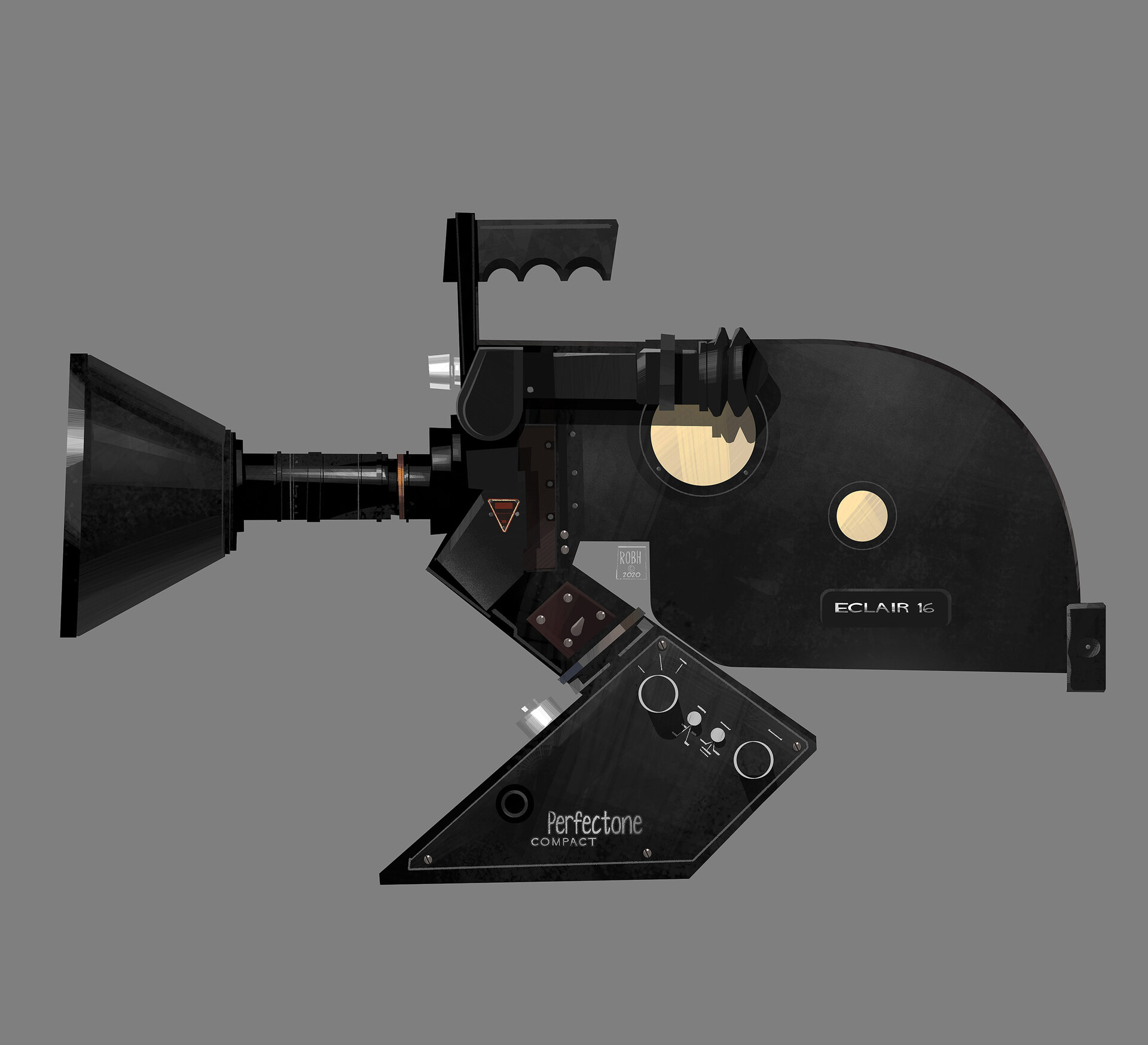
The French-made Eclair NPR (Noiseless Portable Reflex) 16mm camera and introduced in 1963, was a motion picture camera with a great many "firsts" to it's name. The first of the so-called cinema verite motion picture cameras and to be noiseless without the

While the Red wasn’t the first digital motion picture camera it quickly gained success as the “go to” brand and helped usher in the acceptance of digital “film” cameras.

In 1952 a film opened in New York called “This is Cinerama”. It presented a unique 146° view utilizing 3 interlocked projectors. The camera had three 27mm lenses and 3 separate film magazines that were 48° apart.

Paramount’s answer to the Fox owned CinemaScope (anamorphic) process was VistaVision.

Éclair Camerette was a portable 35mm French camera that came into vogue during the French New Wave

Panavision actually started out manufacturing anamorphic adapter lens for projectors in the 50’s. The R-200° ( also known as the PSR, Panavision Silent Reflex) was made in the late 60’s and saw use all the way into television during the 90’s.

The Mitchell NC which stands for newsreel camera,but it was so much more than that. It’s pin registration was coveted by Ray Harryhausen, Illusion Arts, Matte World and Stanley Kubrick, just to name a few.

the Bolex H-16 with the 400 foot mag. These aren’t meant to be 100% technically accurate, more of a caricature of the camera.

The Arri 35 mm handheld camera was first used in WW2 and made its way quickly into feature production. Delmer Davis used in in Dark Passage (1947 WB) because he tested the captured Arriflexes during the war. There are pictures of everyone from Sergio Leon


process, Step 1

process, Step 2

process, Step 3